
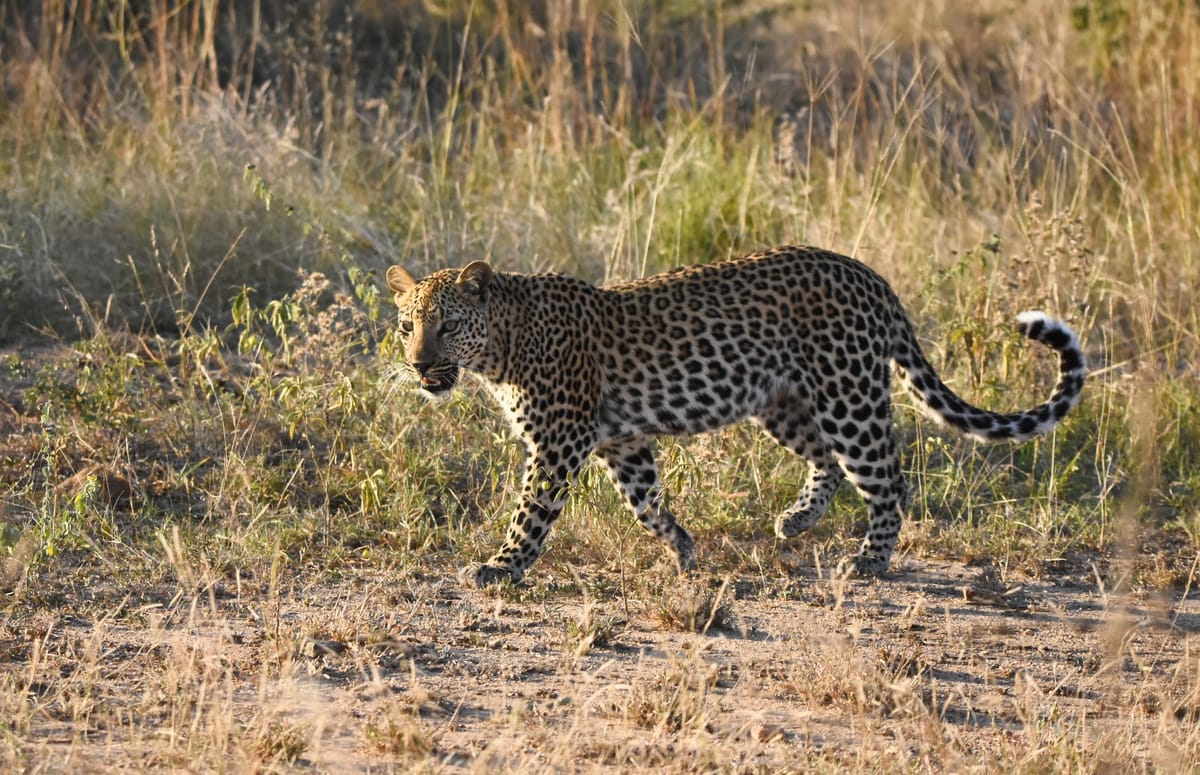
Understanding animal behaviour and spending time in productive areas can greatly improve your chances of finding lions, leopards and wild dogs.
 Robertson Winery
Predators do not operate according to visitor schedules. Lions, leopards and African wild dogs follow natural rhythms shaped by temperature, prey movement and energy conservation. Understanding those rhythms can dramatically improve sightings in the Kruger National Park.
Early morning is widely regarded as one of the most productive times to search for predators. Gates typically open around sunrise, depending on the season, allowing visitors access during the cooler hours when many carnivores remain active.
 Mariana Balt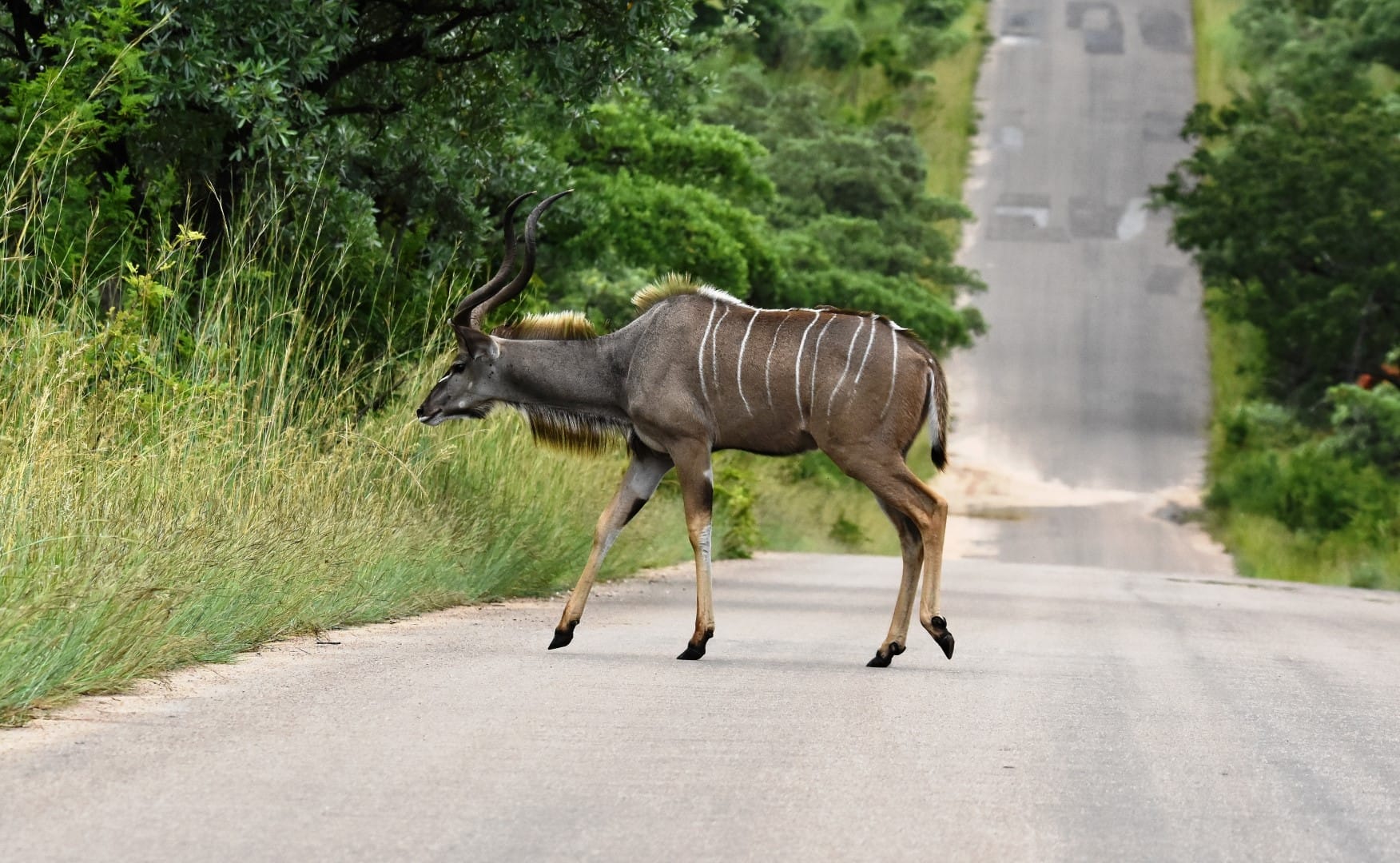
Lions often continue hunting or feeding after dawn. Leopards may still be moving between resting sites, while hyenas frequently return to dens after nighttime foraging. Along roads such as the H4-1 between Skukuza and Lower Sabie, early morning sightings can be particularly rewarding.
Late afternoon offers another prime viewing window. As temperatures begin to drop, predators become more active. Lions rise from shaded resting spots, leopards start patrolling territories, and wild dogs may prepare for evening hunts.
Midday generally produces fewer predator sightings. During hotter hours, animals conserve energy beneath trees, in drainage lines or within dense vegetation. Sightings still occur, though they are often less dynamic than those seen during cooler periods.
 Mariana Balt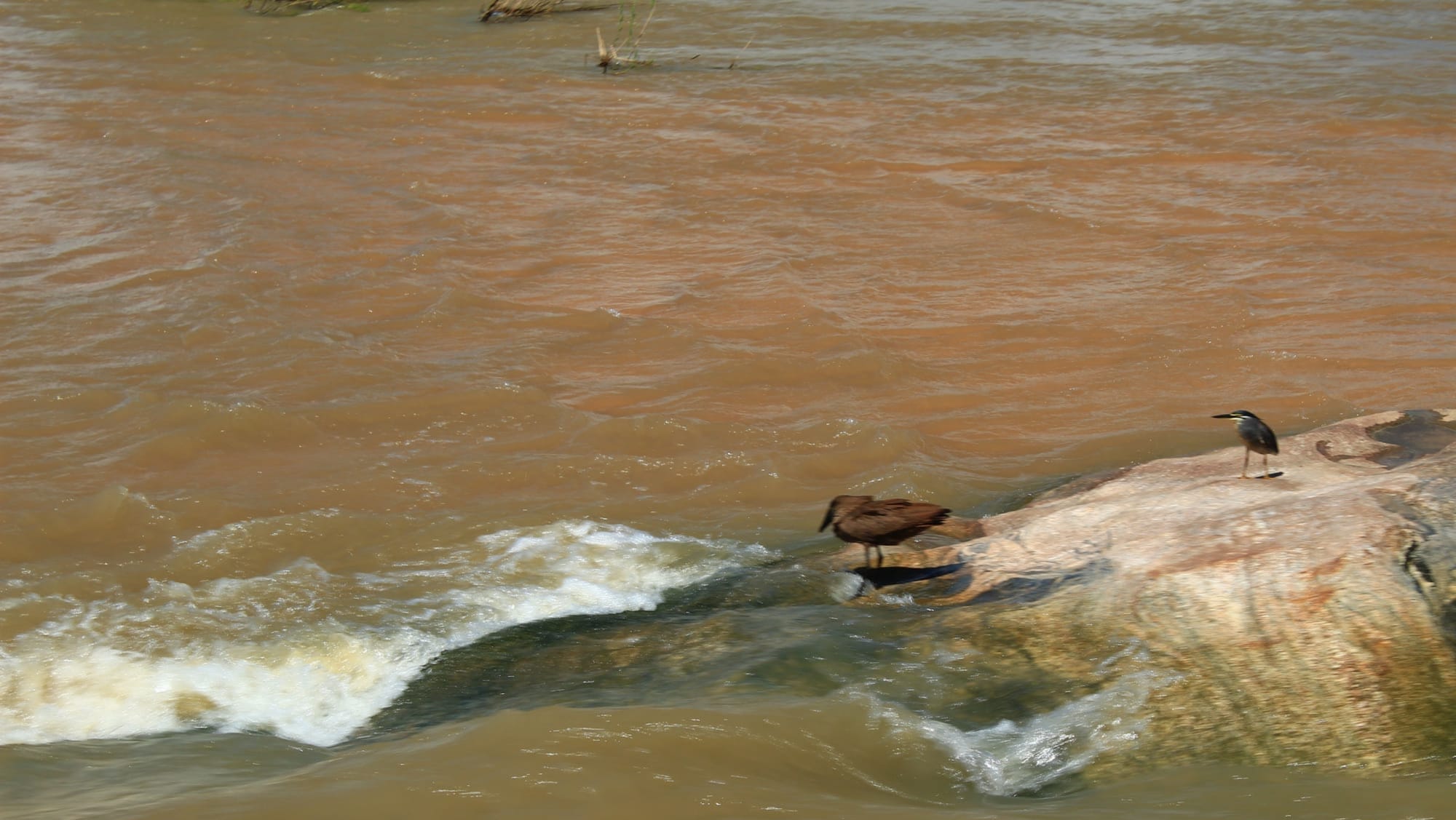
Season also influences behaviour. During winter, when vegetation is sparse and visibility improves, predators can be easier to locate. Water sources attract prey species, creating hunting opportunities around rivers and dams.
Certain areas consistently produce strong predator records. The region around Lower Sabie, the Satara grasslands and roads near the Sabie River are particularly popular among experienced wildlife enthusiasts. Each habitat supports different prey populations, which in turn attract carnivores.
Patience remains one of the most important safari skills. Predators can appear unexpectedly and disappear just as quickly. Successful sightings often result from spending time in promising areas rather than constantly driving between locations.
 Mariana Balt
Many seasoned Kruger visitors will tell you the same thing: be at the gate when it opens and remain in the park until closing time. The hours around sunrise and sunset continue to provide the greatest opportunity to witness predators behaving naturally.

 Naomi Roebert
 Lynette Spencer


Comments ()