
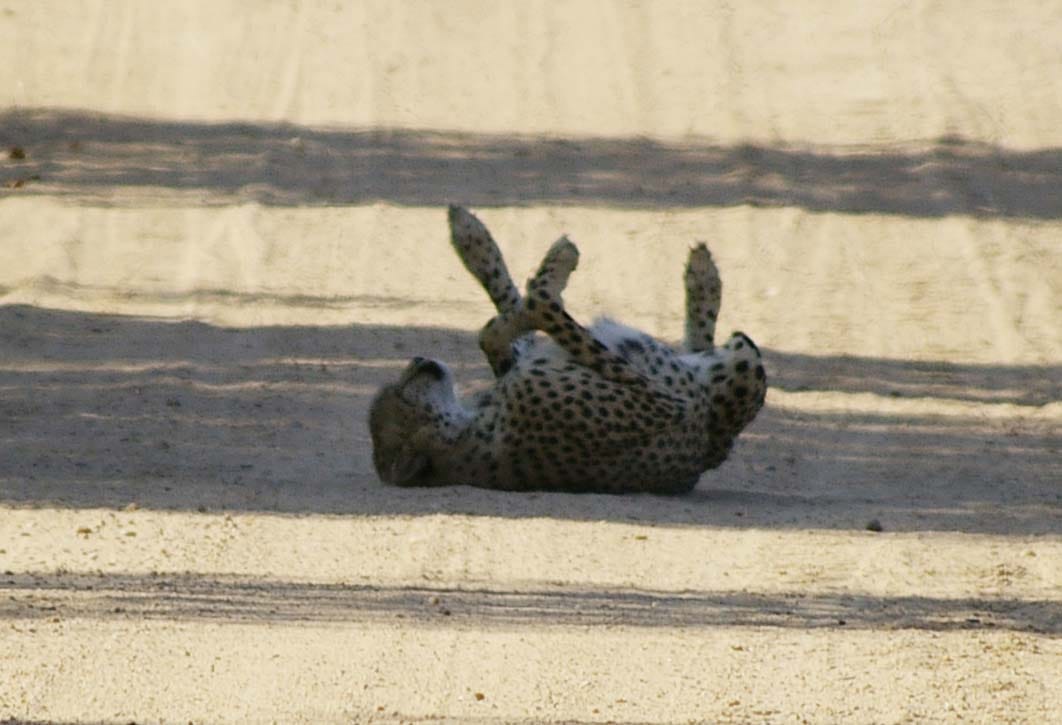
A Kruger safari does not need to drain your fuel tank. Smarter route planning, slower driving and realistic daily distances can reduce costs.
There is a particular moment on a Kruger National Park road when drivers glance at the fuel gauge and suddenly realise how far they still need to travel before the next filling station. The distances inside South Africa’s flagship wildlife reserve often surprise first-time visitors.
A morning drive from Skukuza to Satara via the H1-2 and H1-3 can easily stretch into several hours once animal sightings, river viewpoints and traffic around lions are factored in.
Fuel planning becomes part of the safari rhythm in the Kruger. It also becomes expensive surprisingly quickly, especially for travellers covering large sections of the park from Crocodile Bridge in the south to Punda Maria in the far north. Fortunately, saving fuel in the Kruger is less about sacrificing the experience and more about driving with patience and purpose.
 Mariana Balt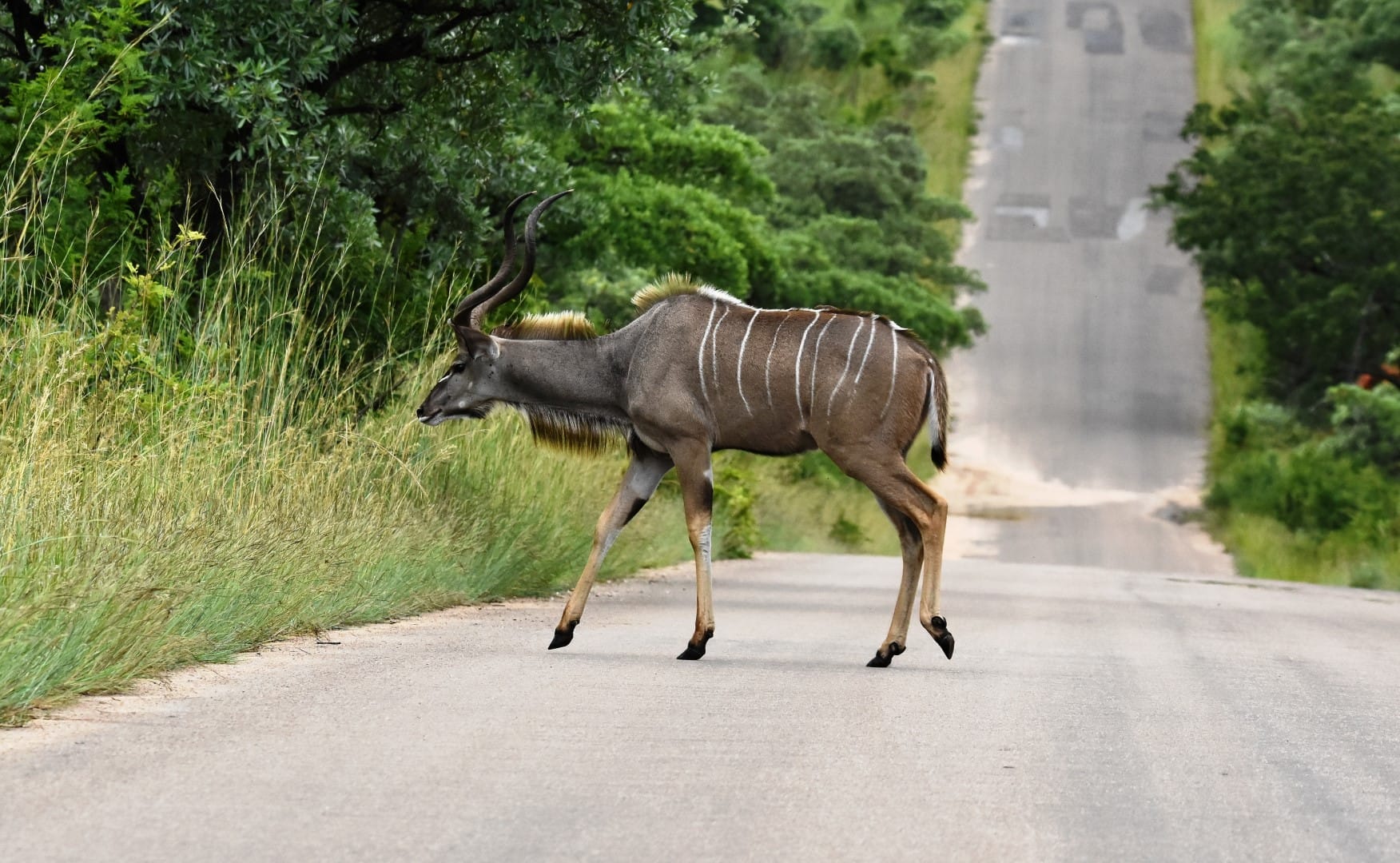
The first advantage visitors already have is the park’s speed limits. Tar roads are limited to 50 km/h and gravel roads to 40 km/h. Vehicles moving steadily at these speeds naturally consume less fuel than they would on South Africa’s national highways. Trouble begins when drivers accelerate hard after sightings, brake constantly around busy roads or idle for extended periods with engines running.
Many visitors create ambitious daily loops that look manageable on a map but become exhausting in reality. A route from Lower Sabie to Tshokwane, then Satara, before looping back south via the S100 and H10, may sound appealing, yet it often turns into a rushed exercise that burns fuel and patience.
 Mariana Balt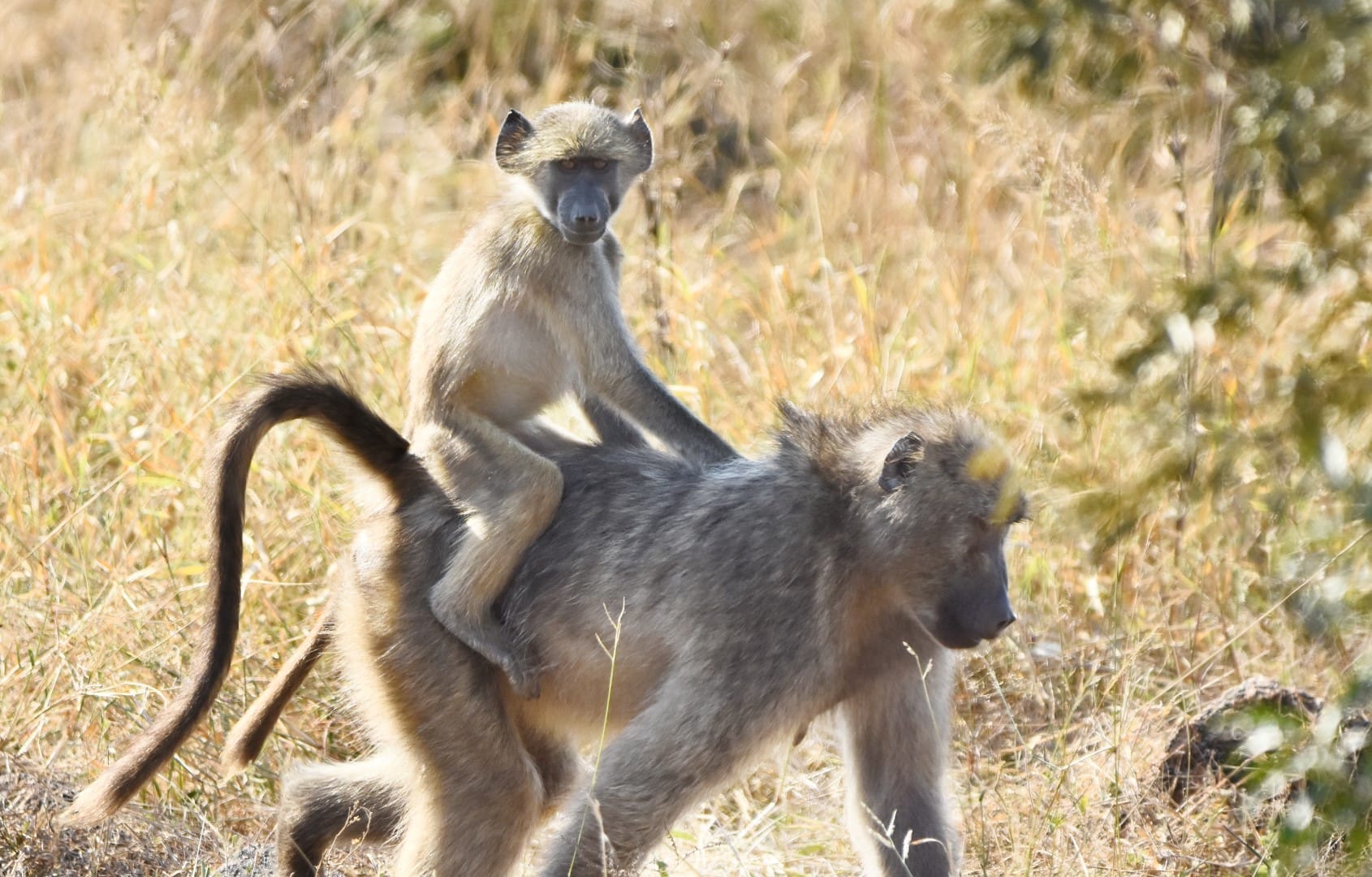
Experienced Kruger travellers know that shorter drives frequently deliver better sightings. Animals move most actively during the cool hours after sunrise and before sunset. Spending quality time around productive areas such as the Sabie River, the S28 near Crocodile Bridge, or the grasslands around Satara can be far more rewarding than chasing distant reports across the park.
Tyre pressure also plays a major role. Gravel roads such as the S39 between Timbavati and Roodewal or the S114 near Skukuza can increase rolling resistance if tyres are underinflated. Checking pressures before entering the park helps both fuel economy and tyre longevity. Drivers towing trailers or caravans into camps like Berg-en-Dal or Pretoriuskop should be especially mindful of this.
Air conditioning presents another balancing act during Kruger summers. Temperatures in January and February regularly climb above 35°C around Letaba, Mopani and Olifants. Running air conditioning continuously increases fuel consumption, particularly in larger SUVs and double-cab vehicles. Many regular visitors alternate between open windows during cooler hours and air conditioning during the hottest stretches of the day.
 Mariana Balt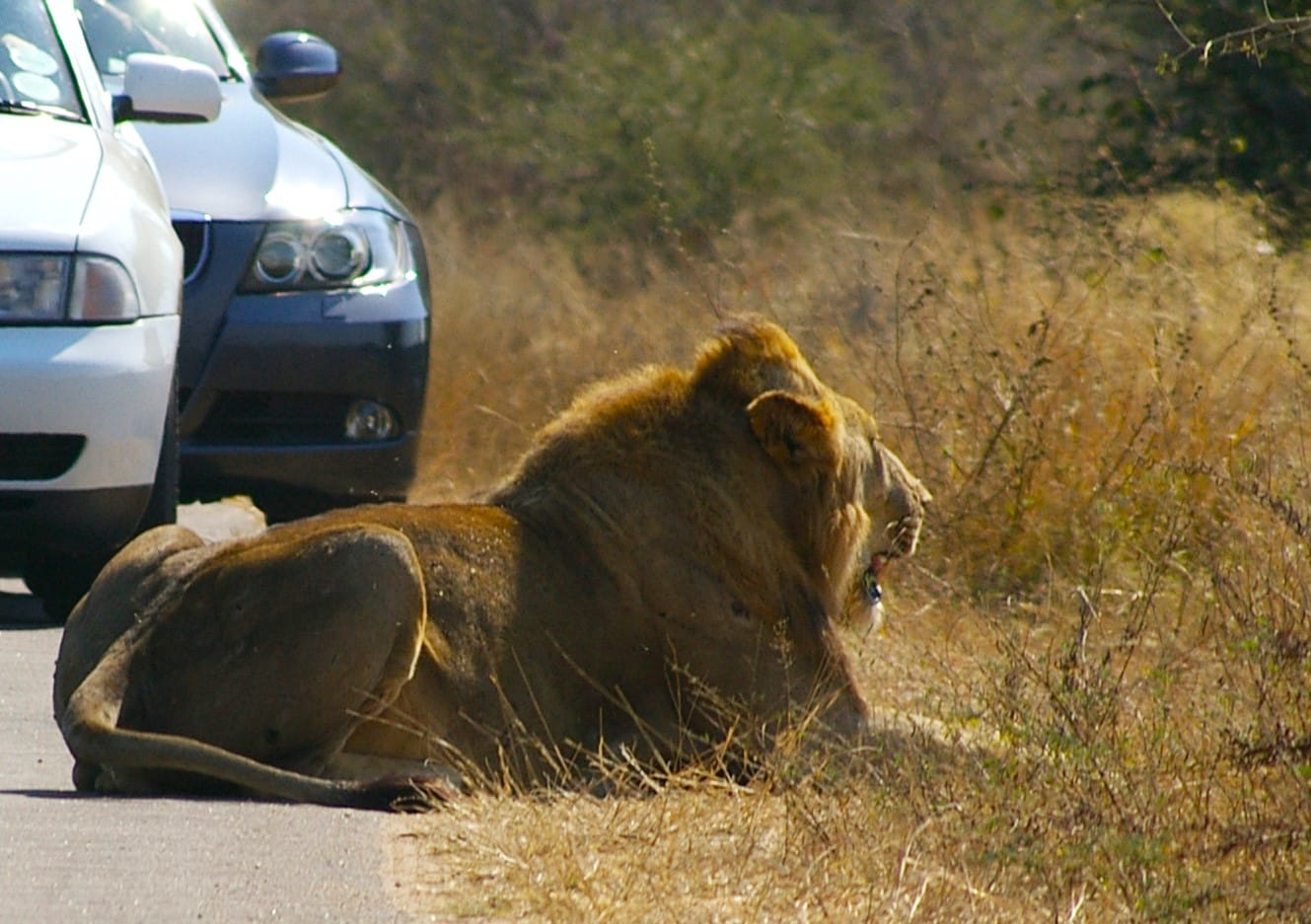
Wildlife sightings themselves can unintentionally waste fuel. The excitement of hearing about wild dogs near Transport Dam or cheetahs along the H7 often sends motorists speeding from one side of a region to another. Mobile apps and WhatsApp sighting groups have amplified this behaviour over the years. Yet there is no guarantee the animals will still be there upon arrival.
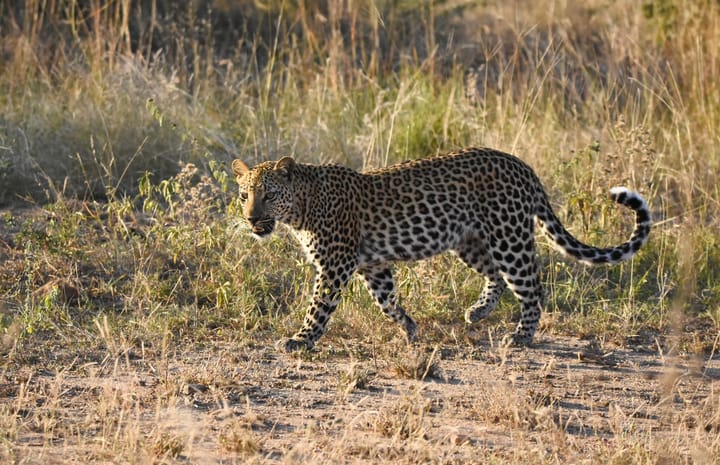
The Kruger rewards slower travel. A stationary elephant beside the Nwaswitsontso River, a leopard draped over a marula tree near Lower Sabie or a saddle-billed stork wading quietly near Sunset Dam often become the sightings people remember most.
Accommodation choices can also reduce fuel costs considerably. Travellers driving from Johannesburg sometimes attempt to see the entire southern Kruger in two days, resulting in constant backtracking between camps. Planning overnight stays logically makes a major difference. Pairing Skukuza with Satara, or Lower Sabie with Crocodile Bridge, creates efficient travel corridors.
Visitors exploring the northern regions around Shingwedzi and Pafuri should also remember that fuel stations become more spread out. Filling up whenever possible remains sensible, especially before tackling remote roads near the Luvuvhu River or the Mahonie Loop.

Vehicle choice matters too. The Kruger does not require oversized off-road vehicles for most visitors. Standard hatchbacks and small SUVs handle the majority of tar and gravel roads comfortably during normal conditions. Large vehicles with roof racks, rooftop tents and overloaded gear naturally consume more fuel.
Weather conditions can further influence consumption. Summer rains sometimes leave gravel roads muddy or uneven, particularly after heavy storms near Pretoriuskop or the central grasslands. Wet conditions force slower, less efficient driving. Visitors travelling during the dry winter months often enjoy better road surfaces and more predictable fuel usage.
One overlooked strategy is simply spending more time in camp. The Kruger’s rest camps are destinations in themselves. Watching elephants cross the Olifants River from the restaurant deck, listening to hyenas outside the fence at Satara or enjoying sunset from Lower Sabie often becomes just as memorable as a long drive.
The park was never designed for hurried travel. Its roads follow rivers, granite outcrops, open plains and fever tree forests that reveal themselves gradually. Saving fuel in the Kruger ultimately aligns with the spirit of the reserve itself.
Drive less aggressively, plan more carefully and allow the landscape to unfold at its own pace.

 Naomi Roebert
 Lynette Spencer
 Liz Thorne

Comments ()